Shanghai Liberalism

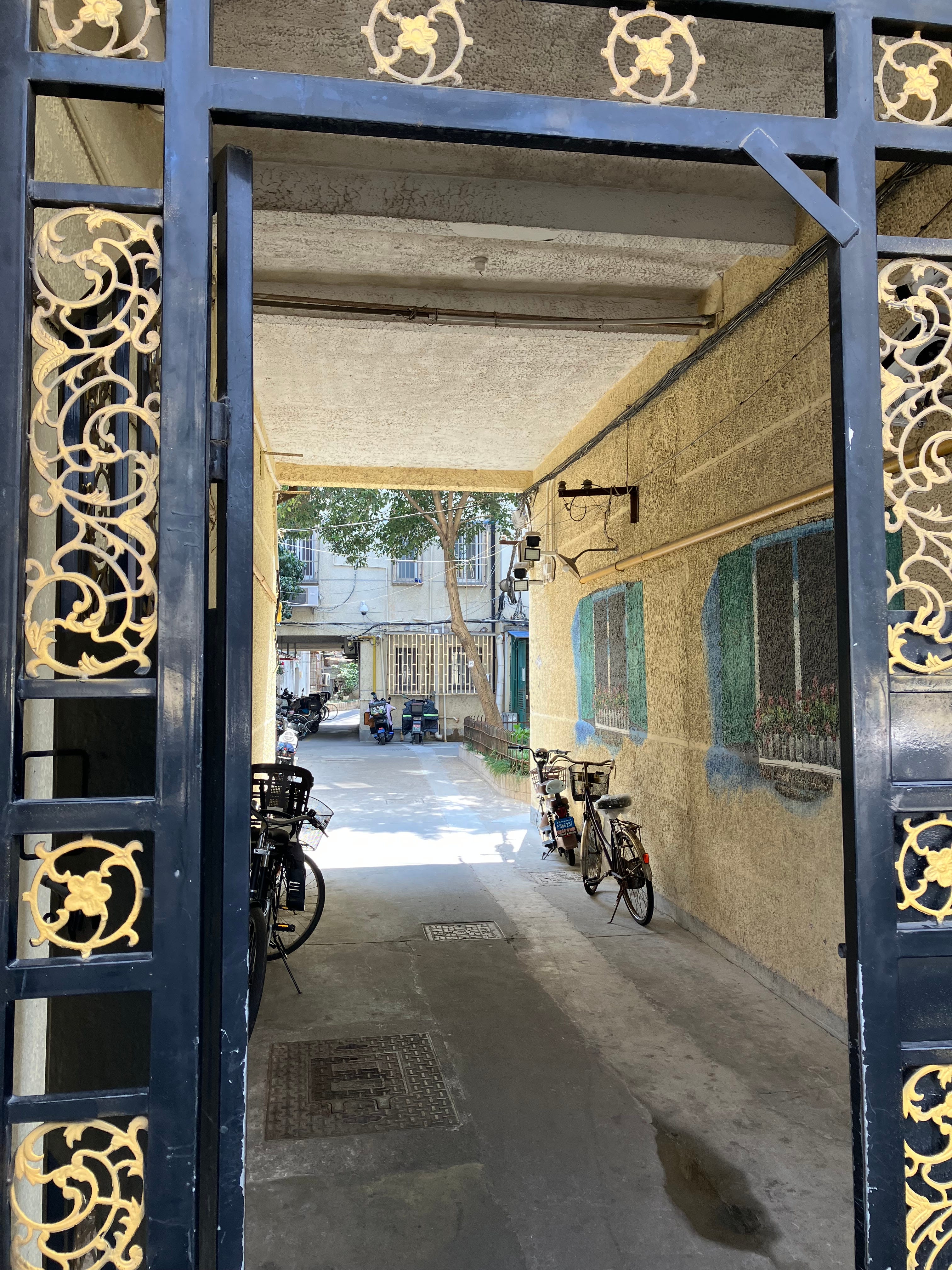
It’s spring in Shanghai and I’ve moved to the French concession, approximately halfway between the house where Sun Yat-sen once lived and the site that gave birth to the Chinese Communist Party. I could tell a nostalgic story here, about two visions for China’s future after monarchy, and about the role those buildings of international architectural persuasion – French, yes, but also American, British, German, Spanish, Hungarian, Russian, and Japanese – ironically played in the proliferation of ideas that would eventually oust their builders and launch the Chinese universe to the top of the global world order.
But there’s a more cheerful, less tragic, more liberal story to be told, I think, about the accidental but astounding amount of freedom that reigns in Shanghai today.
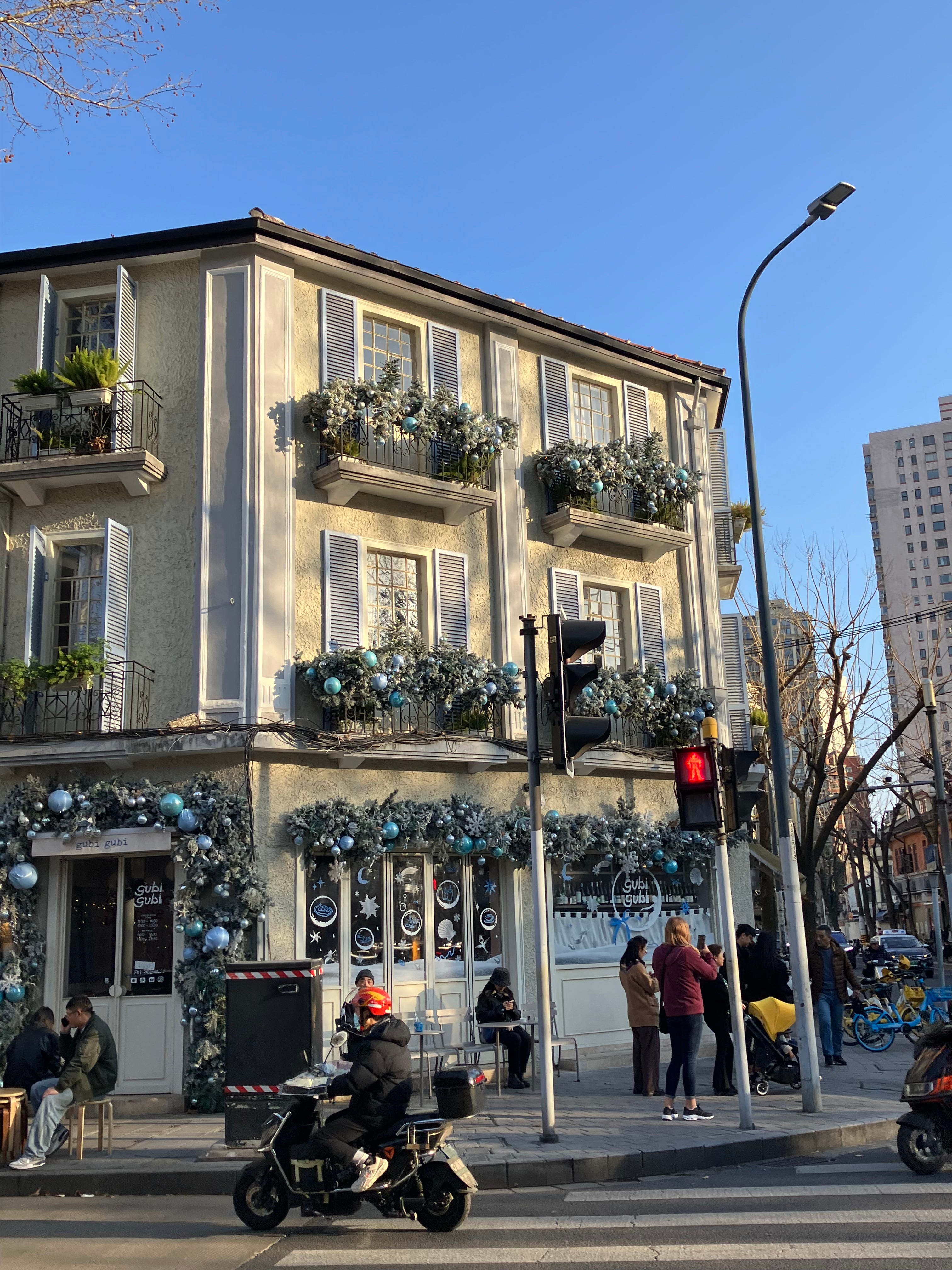
I’ll paint the picture for you from my doorstep. A network of mazelike, car-less alleyways bring four distinct housing compounds together, built originally as single-family European mansions, with two miniature parks hidden artfully besides ceramic studios and shared gardens. Within this single city-block – a model for housing across Shanghai – sounds from the street are as muffled as they are in the corridors of Venice, as insulated from roads as the “most serene” city with its famous waterways is from the Italian mainland.
Wander outside and life abounds with all sorts of strange shops. Bird-sellers are wedged next to key-makers, antiques are traded comfortably next to kitchen supplies. Cross the street to the public park where every morning scores of the elderly sing to the heavens or swing dance next to rosebushes. In the afternoon hordes of men gather to discuss Iran or their next grand tour of Africa. Night falls and thousands of the city’s youths gather in the seven-story “Into Nothing Serious,” where eight clubs, for one entry-price, are packed into a single building overlooking the park.
Walk further and the coffee shops await, each as attentive to their interior as their beans. Pick one of the carefully designed hotels – any will do – and ascend to the bar at its peak, from whose vantage point you may contemplate the grandeur of the skyscrapers on the horizon, lights ablaze, while a goldfish swims lazily around your drink.
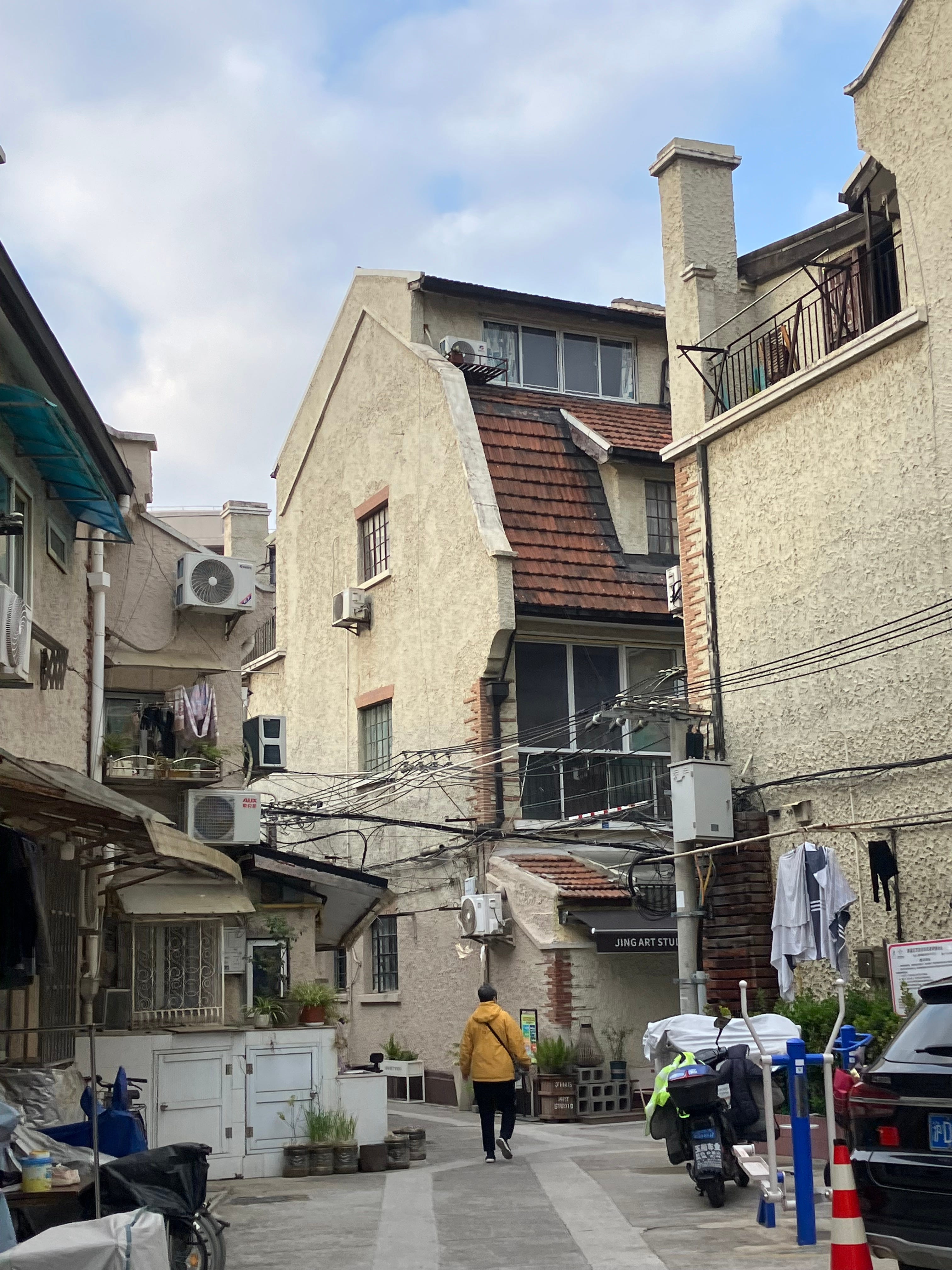
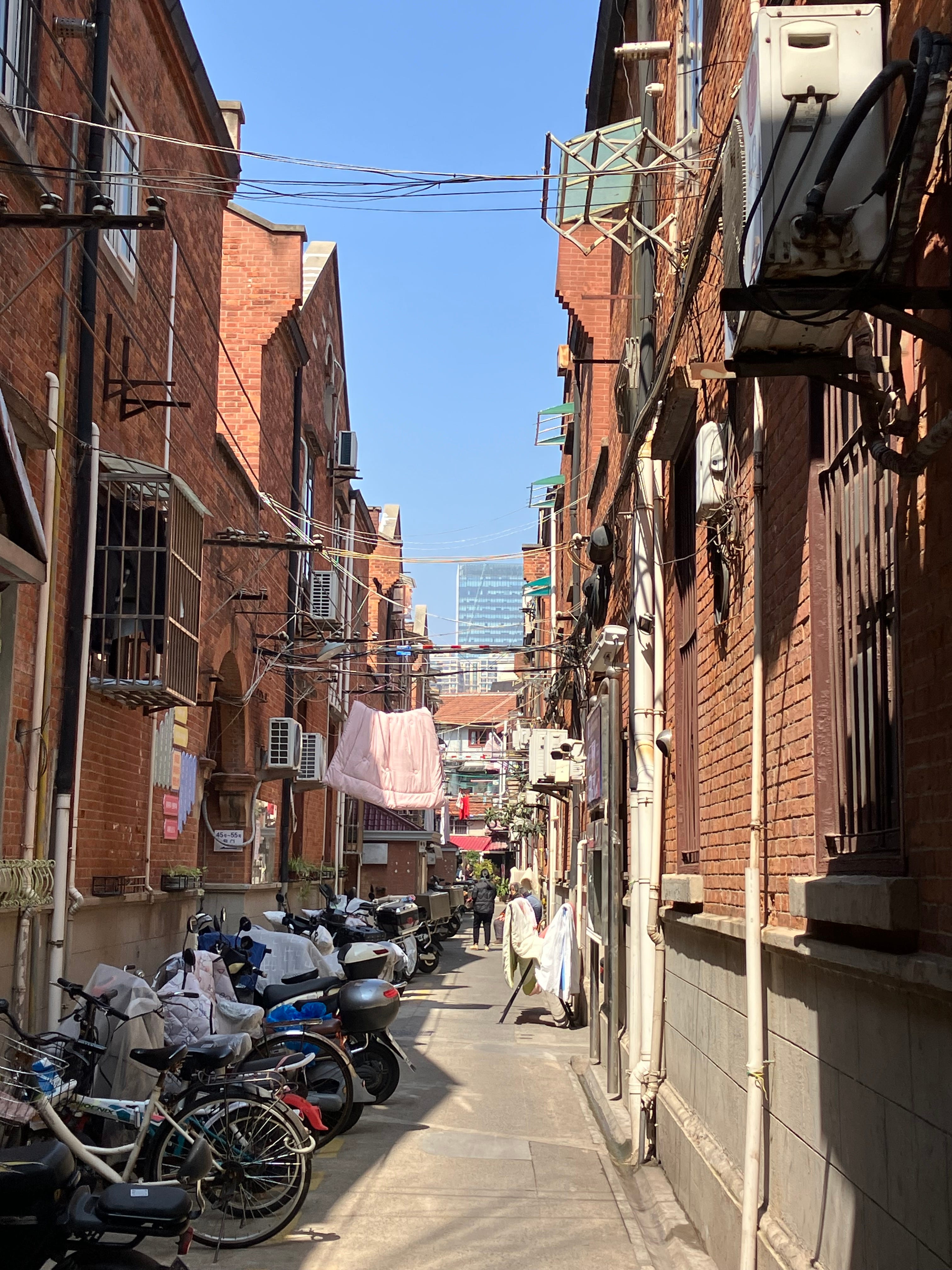
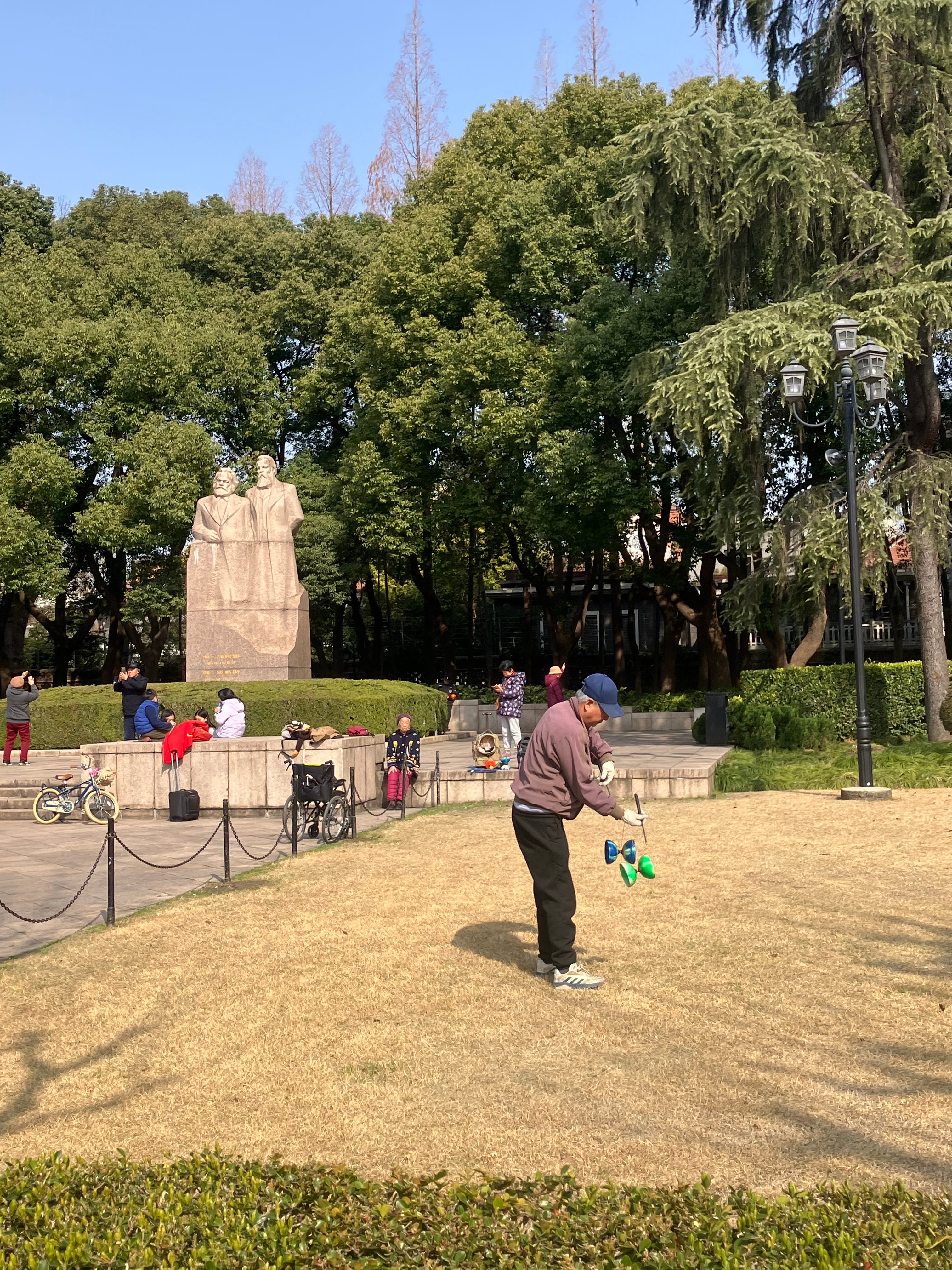
A version of these scenes, where the predominant activity is conversation or play (if not outright debauchery), can be found in any country. Striking here, however, is that they take place under the guise of the largest and most powerful authoritarian government in the world.
One essential feature of the American form of government that gets captured only partly in the education system, with a nod to Madison’s “separation of powers” or “checks and balances,” is that it is designed to institutionalize confusion. Doing so prevents any single attempt to represent the will of the people from reigning supreme and dictating the shape of life. As beautiful and difficult as that ambition is, it’s no wonder two of the critiques often levied at America are how “divided” its parties and how “atomized” its people are, despite the fact that division as a principle in itself is meant to preserve the right of every individual to claim – for the first time, perhaps, in the history of humankind – his solitude in freedom.
And so when I sit on a bench in the park near my new neighborhood in Shanghai and overhear two school children having a remarkably sophisticated conversation on the state of world affairs, they are right to muse over how complicated politics are in the United States, where the President “each day has a new color.” How Chinese government works, they say, using a word commonly invoked, is by contrast so mingxian 明显 – so obvious.
Indeed, a single political party claims to represent a single view of life. It promulgates that single view and marshals the strength of the entire people towards making it more efficient and more comprehensive. After a major fire in Hong Kong last year, I woke up the next morning to an announcement from my old apartment block in Shanghai, a thousand miles away from the incident, that an hour would be devoted to checking each alarm in anticipation of improving fire safety in all buildings across the nation. For the Western politician or thinker with little tolerance for disorder, such synchronicity cannot fail to prove attractive.
Unify the sovereign in all things political, the theory goes, and confusion dissipates. Peace arrives and while a kind of freedom – to rule – is lost, another – to play – is gained. Of course, when the central authorities deem that libertinism has gone too far – when play has transformed, even unwittingly, into rule – ventures are shut down without notice. But a lack of any substantive regulations also means that businesses are easier to start in China than anywhere else in the world. I recently attended a third reopening party of a local entertainment venue, itself housed in a complex that had been repurposed only two months before.
On the surface, then, only two options exist to sustain any sort of personal legacy in China: either support the government’s efforts explicitly or pursue an innocuous craft like food or pottery or gardening. This explains much of the course of life in China, and in many ways for the better, it seems – government works while tastes and sights remain pleasant.
But in Shanghai, forced to accommodate foreigners and international culture to retain its status as a world city, that constant starting and stopping of businesses reaches an almost feverish pitch. This means that the limits of what exactly constitutes the government’s position, or how far a craft can be carried before it becomes something that might be called “political,” are frequently relitigated. If the limits are drawn too sharply, the most talented of youths flee (and the state lets them) to America or Europe or Australia for education and more opportunities. The city is then forced to push the boundaries of freedom to convince them to return.
For China’s ruling class there may even be a perverse sort of attraction to the controlled chaos of the city. The closer Shanghai brushes against the “liberal” world, the more impressive it looks when a local leader can fashion it into something recognizably “Chinese.” The sitting president is only one such example among many in the politburo who got their start helping to turn this former fishing village into a global metropolis.
Meanwhile, if we shift our framework for understanding Western society slightly earlier, from Madison to Montesquieu, whose Spirit of the Laws was the first work of political theory to be translated fully into Chinese [1], we see within the maddeningly complex syntax of this wine-maker from Bordeaux’s masterpiece a further way to capture the spirit of this “Shanghai liberalism.” For Montesquieu, freedom could be discovered within any system of government, by circumstance if not by methodical deliberation, and by trade and exchange if not through domestic interest. Freedom in this case did not actually mean ruling or playing, alternatively the job of kings or people, but rather rested somewhere in between – with the cultured, financial, aesthetic pursuits of the nobility.
The Shanghainese, who discuss the affairs of America with remarkable fluency – if only for the effect on their bank accounts; the Shanghainese, where third-generation sons and daughters take an almost aristocratic pride in calling themselves locals – bendiren 本地人 (alongside those who move here in the anxious hope of one day becoming so); the Shanghainese, who can mask every one of their opinions in a dialect so obscure and strangely mixed with modern mandarin that no would ever think to study it formally – it is they who seem to occupy the position of nobility in today’s China, and with it remain the preserve of freedom in the “Paris of the East.” They form a kind of political class in their cosmopolitan lifestyle alone without the need to hold any formal roles in government. Offend their sensibilities too much and China loses the spark of dynamism that keeps the entire nation afloat and thriving.
Were not a single revolutionary word to have been uttered from the alleyways of the French Concession buildings one hundred years ago, we might still do well to reflect on the newfound dedication here to maintaining beautiful, rich, lively neighborhoods in their presence, where a liberal spirit shines at the very heart of despotism.
LZS
[1] Yan Fu 严复 translated Spirit of the Laws (Fayi 法意) between 1904-1909, partly when he was President of Fudan University in Shanghai, where the book is remarkably still taught to certain majors in a large lecture class of 150 students.